
Chennai Metro Phase 2: How It Could Impact Property Prices Along the Corridor
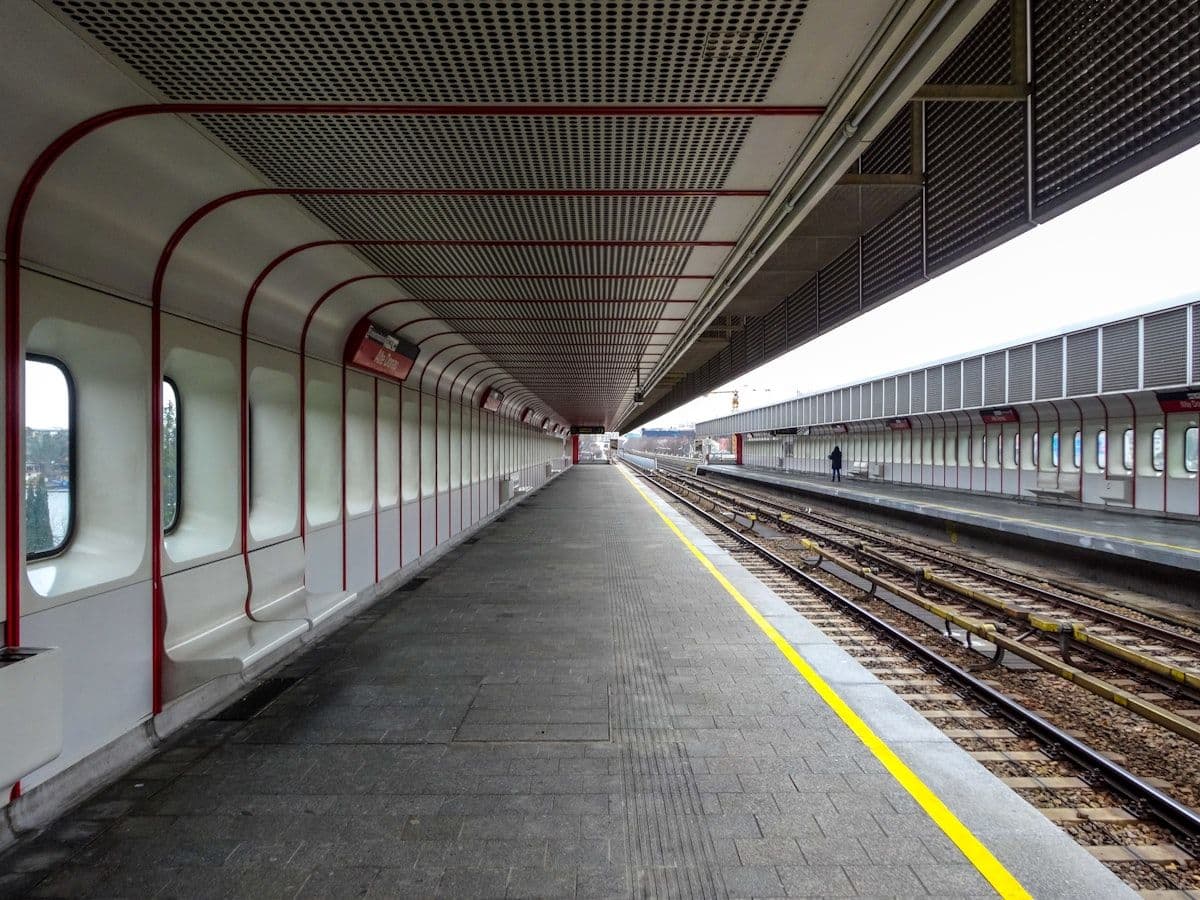
Metro rail expansion is one of the more reliable drivers of localized real estate demand, because it directly improves what buyers and tenants care about most: how easily they can get to work. Chennai Metro's Phase 2 expansion is extending coverage to new corridors, and understanding how to think about its impact is more useful than trying to predict exact price movements.
Why metro connectivity affects property demand
- It directly reduces commute time and cost for residents, which is one of the strongest demand drivers for both homebuyers and renters.
- It tends to draw commercial and retail development toward station areas over time, adding local amenities and further reinforcing demand.
- Areas that were previously considered too far from the city center for daily commuting become practically accessible, which can expand the effective buyer pool for that locality.
What the pattern has typically looked like elsewhere
In most cities with metro expansion, the areas that see the most price movement are typically those within comfortable walking distance of a station (the exact radius varies, but is often cited as roughly 1-2 km) — and importantly, quite a lot of that price adjustment often happens once a corridor's alignment and station locations are confirmed and construction is visibly underway, not only after the line actually opens. This means waiting for the metro to be fully operational before buying can mean missing a meaningful part of any anticipated price appreciation.
A caution on treating this as a guaranteed play
Metro connectivity is a genuine, durable demand driver — but it is not a guarantee. Delays are common in large infrastructure projects, alignment details can shift during planning, and a station's actual impact also depends heavily on what develops around it (a station surrounded by well-planned residential and commercial development performs very differently from one surrounded by disorganized, poorly-connected growth).
What to actually check before treating "near the new metro line" as a selling point
- The confirmed, current alignment and station locations for the specific phase — plans have historically shifted during execution, so verify against the latest official source rather than older news coverage.
- The realistic construction and opening timeline, and how that compares to your own investment horizon.
- Whether the specific property is genuinely within comfortable walking distance of a planned station, versus "near the corridor" in a looser sense.
- The broader locality fundamentals — connectivity is one factor, but livability, existing infrastructure, and genuine demand still matter.
Frequently Asked Questions
How close to a metro station does a property need to be to see a price benefit?
There is no universal number, but properties within comfortable walking distance (often cited as roughly 1-2 km) tend to see the most pronounced effect — properties further away benefit less directly, though the broader locality can still see some uplift from improved overall connectivity.
Should I buy now in anticipation of Metro Phase 2, or wait until stations are operational?
This depends on your risk tolerance and investment horizon. Prices have historically moved during the construction and pre-opening phase in many cities, meaning waiting for full operation can mean paying a premium that has already been priced in — but construction-phase buying also carries the risk of alignment or timeline changes.
Where can I check the latest confirmed alignment for Chennai Metro Phase 2?
Chennai Metro Rail Limited (CMRL) publishes official project updates — check their official communications directly rather than relying solely on older news articles, since alignment and timeline details can be revised during planning and execution.
Request a property shortlist
Tell us what you're looking for and we'll match you against verified listings.
Tell Us What You Need